Musical Ball Jump

Crazy Bubble Breaker

Watermelon Fruit Merge

Halloween Makeup Trends

Girls School Fashion
2048 2048

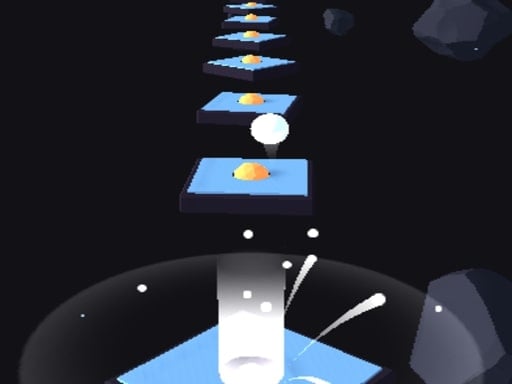
Some games want speed. Musical Ball Jump wants timing. You’re guiding a bouncing ball across platforms while the rhythm sets the pace—so if you jump “whenever,” you fall fast, but if you move with the beat, the whole run feels smooth. What you do You control a ball that jumps from platform to platform. Your goals usually include: stay on the path without falling, follow the rhythm (many versions sync jumps to music), collect gems/points, reach checkpoints or finish a level, build a high score with long streaks. As you progress, the game speeds up with tighter gaps, moving platforms, or sharper turns. How control usually feels Most builds are simple on purpose: Mobile: tap to jump / tap-hold for longer jumps (or swipe to steer + tap to jump) PC: click/space to jump, sometimes A/D to shift lanes Even when the inputs are easy, the timing is not—because late jumps and early jumps both punish you. The rhythm trick that makes the game easier Instead of staring at the ball, listen for the pattern. A strong habit: let the beat set your timing, jump on a consistent “count” (like 1–2–1–2), and keep the same jump rhythm until the level forces a change. When you tap randomly, you fight both the music and the platform spacing. short jump vs long jump decision Most fails come from using the wrong jump length. Use this quick rule: short hops for close platforms and tight turns, long jumps only when there’s clear distance and a stable landing zone. If your version has “hold to jump farther,” don’t hold automatically. Holding when you should short hop is how you overshoot and slide off edges. streak protection (how to keep runs alive) If the game has combo streaks or multipliers, protect them with clean positioning: land near the center of each platform, don’t drift to the edges during turns, after a shaky landing, take one safe jump before you go aggressive again. A long streak with slightly slower jumps usually scores higher than a fast run full of near-misses. How to handle faster sections When the speed increases, your job is not “tap faster.” Your job is tap earlier and calmer. Try this: look one platform ahead (not at your feet), reduce extra steering, commit to a lane/line and stop zig-zagging, if you miss one collectible, let it go—saving the run is worth more. Speed ramps punish over-correction more than they punish slow reactions. Common reasons you fall (and the fix) Falling after turns: you’re landing off-center → aim for the middle before you jump. Overshooting platforms: you’re using long jumps too often → switch to shorter taps. Late jumps: you’re reacting visually → use the beat as your timing guide. Chain fails: one mistake makes you panic → do one “recovery jump” calmly, then continue. Helpful answers Is Musical Ball Jump skill-based? Yes. Rhythm timing + consistent jump length improves your runs fast. Should I play with sound on? If you can, yes. Sound makes timing easier than visuals alone in music-based jump games. Fastest improvement tip? Stop changing rhythm every second. Pick a steady jump tempo and only adjust when the platform spacing forces it.
One clean run beats ten rushed retries—play it smooth. Controls: tap/click to jump; some versions use drag/steer between platforms. Time your jumps to land safely on the next platform, often in sync with the music. Use short taps for small gaps, and don’t overcorrect after a landing—one calm adjustment is enough. Tip: when the screen gets busy, protect your progress first.

So many more games you can play!
More games
 Home
Home
 Trending Games
 Categories
 Arcade
  Action
  Adventure
  Shooting
  Racing
  Girl
Girl  Puzzle